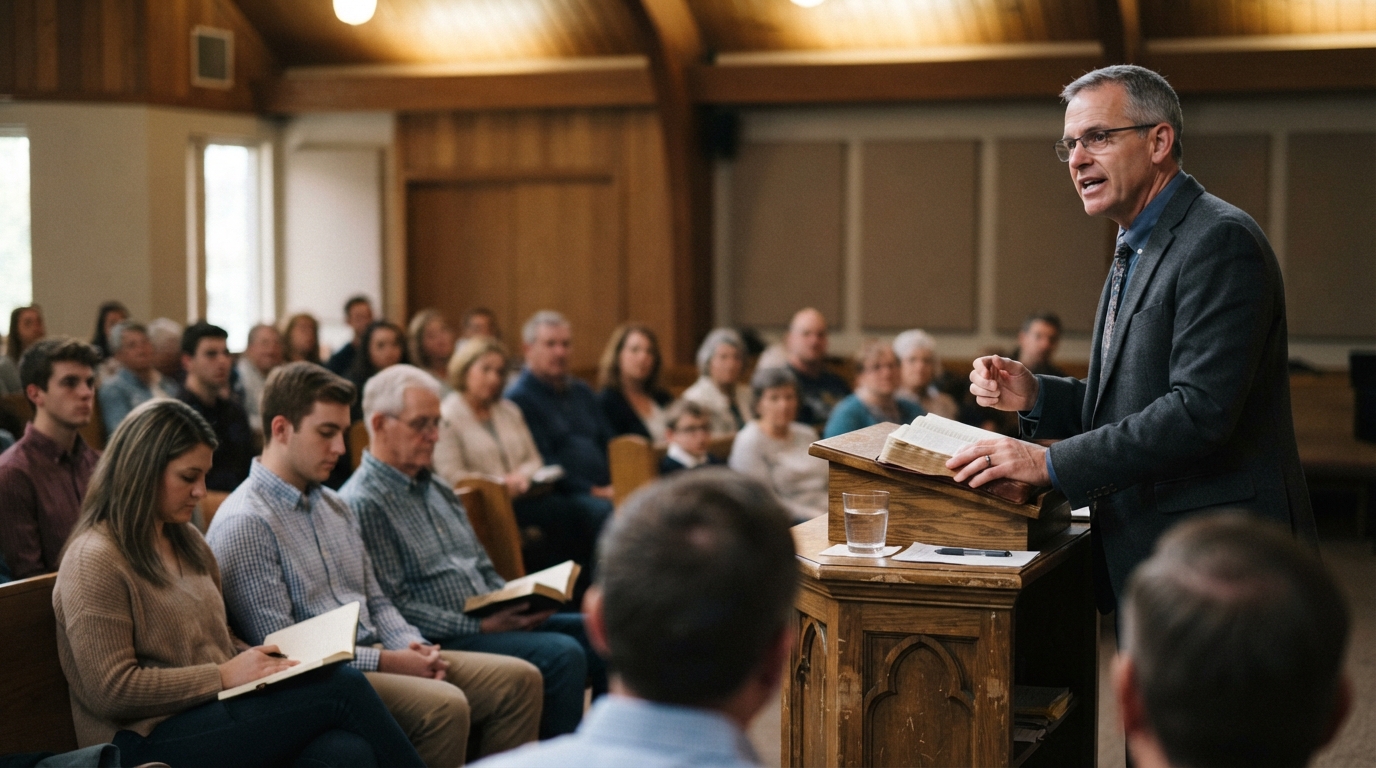
• A Bible Teaching Church centers worship, discipleship, and community life on structured study of scripture rather than general inspirational messaging.
• Consistent biblical instruction supports spiritual growth through small groups, sermon series, and age-based learning tracks.
• Churches serving the Scottsdale, AZ area are based elsewhere in the USA, with online and in-person options extending access to residents.
Congregations searching for a Bible Teaching Church are typically looking for a community where sermons, small groups, and classes are built around systematic study of scripture rather than loosely themed talks. This approach shapes how members understand doctrine, make ethical decisions, and engage with daily life. The distinction matters because teaching style affects long-term member retention and spiritual depth, not just Sunday attendance numbers.
Scripture-based teaching differs from general inspirational preaching in both structure and intent. Where motivational sermons often focus on a single uplifting theme, Bible-centered instruction tends to walk through books of the Bible verse by verse or follow thematic series that build on each other over weeks or months. This method gives attendees a framework for interpreting scripture independently, rather than relying solely on a pastor’s weekly summary.
What Defines a Bible Teaching Church
A church organized around biblical instruction typically structures its programming to reinforce textual study at multiple levels.
• Sermons that reference original context, historical background, and cross-references within scripture
• Small group curricula tied directly to the weekly teaching passage
• Age-specific classes for children, youth, and adults that introduce scripture at developmentally appropriate levels
• Resources such as study guides or audio archives that let members review material independently
These elements work together so that teaching extends beyond the Sunday service into weekly group discussion and personal study.
Comparing Teaching Formats in Church Settings
Congregations vary widely in how they balance instruction with other worship elements. The table below outlines common formats and their general focus.
|
Format |
Primary Focus |
Typical Setting |
|
Verse-by-verse expository |
Sequential study of a single book |
Sunday sermon, midweek study |
|
Topical series |
Scripture organized around a life theme |
Sermon series, small groups |
|
Age-graded curriculum |
Scripture introduced by developmental stage |
Children and youth classes |
|
Discussion-based small group |
Peer dialogue on a shared passage |
Home or church small groups |
Most established churches use a combination of these formats rather than relying on just one.
Why Structured Teaching Supports Spiritual Growth
Research on religious education consistently points to repetition and structured learning as factors in long-term retention of religious knowledge and practice. The Pew Research Center has documented ongoing shifts in how Americans engage with religious institutions, underscoring why consistent, substantive teaching remains a factor congregations weigh when choosing where to attend. Churches that pair sermon content with small group follow-up give members a chance to process material in conversation rather than passive listening alone.
For residents of Scottsdale, AZ, this translates into practical options: in-person classes, online sermon archives, and small group networks that allow scripture engagement to continue outside a single weekly service. Based in the USA, a congregation can serve people across Scottsdale, AZ through streaming services, digital resources, and connection to local small groups without maintaining a physical campus in that specific area.
Evaluating a Teaching-Focused Congregation
Readers comparing congregations can look for a few concrete indicators before committing to regular attendance.
1. Whether sermon archives are publicly available for review before visiting
2. How small groups are structured and whether curriculum ties back to Sunday teaching
3. Availability of classes for different age groups and spiritual maturity levels
4. Whether the church publishes a clear statement of beliefs or doctrinal position
Reviewing these factors ahead of time helps newcomers set expectations about teaching depth and community structure.
Frequently Asked Questions
What makes a church “Bible teaching” versus general Christian? A Bible teaching church structures its sermons and group studies around systematic, often sequential study of scripture passages, rather than standalone topical talks.
Can someone in Scottsdale, AZ attend a church based elsewhere in the USA? Many congregations offer streaming services, downloadable sermons, and regional small group networks that allow participation without an in-person campus nearby.
Do small groups replace Sunday teaching? Small groups typically reinforce and discuss material introduced during the main service rather than replacing it, giving members a space for questions and application.
How often do Bible teaching churches update their curriculum? This varies by congregation; many follow annual or multi-year teaching plans that move through different books or themes of scripture.
Learning More About Local Teaching Options
Program schedules and service details for Highlands Church are published for residents comparing scripture-based teaching options in the area.