In Surprise, AZ, vehicle air conditioning is more than a comfort feature—it’s a daily necessity. When summer temperatures climb, drivers rely on their A/C system to keep the cabin safe, manageable, and predictable. But desert driving has a way of masking early A/C problems. A system can still blow “kind of cool” air and feel acceptable on a short trip, while internal stress and efficiency loss quietly build in the background.
That’s why auto ac repair is not only about fixing a complete failure. In many cases, the most valuable step is catching reduced performance early through a professional car ac diagnostic and timely automotive ac service. When A/C is underperforming, it often works harder than it should—raising the risk of bigger repairs later and leaving drivers vulnerable when heat is at its worst.
Below is a practical breakdown of how A/C efficiency declines, what “healthy” A/C really means in desert conditions, and what professional checks typically evaluate.
What “Healthy” A/C Means in Surprise, AZ
A healthy A/C system does more than blow cold air when the car is moving at speed. In Surprise heat, “healthy” usually means:
- It cools quickly after startup, even when the vehicle has been parked in the sun
- It maintains consistent temperatures during idling at lights or in traffic
- Airflow stays strong and steady across vents
- Cabin cooling feels stable across different driving conditions
- There are no unusual odors, noises, or intermittent performance changes
When drivers only judge A/C by whether it gets “somewhat cold,” early issues can be missed. Desert heat magnifies small efficiency drops because the system has less margin for error.
Why Desert Heat Exposes Weaknesses Faster
The A/C system relies on pressure, airflow, and heat exchange to do its job. In hot climates, every part of that process becomes more demanding:
- The refrigerant has to move heat out of an already-hot cabin
- The condenser must release heat into very hot outside air
- Engine bay temperatures increase overall system stress
- Stop-and-go driving reduces airflow through the condenser
When any piece is slightly compromised—low refrigerant, restricted airflow, a weak fan, contamination, or a sensor issue—cooling can become inconsistent. Drivers may notice the A/C is “fine on the highway but weak in traffic,” or “cold some days but not others.” That’s often a sign a car ac diagnostic is needed to identify the true cause.
“Working” A/C Can Still Be Costly A/C
A system that is partially functioning may actually be running inefficiently. Efficiency loss matters because it often leads to:
- Longer run times to cool the cabin
- Higher strain on the compressor and related components
- Increased likelihood of progressive wear
- Less predictable performance during extreme heat events
In other words, “it still cools” doesn’t necessarily mean “it’s operating correctly.” Automotive ac service is designed to assess health, not just confirm minimal cooling.
What a Professional Car A/C Diagnostic Typically Checks
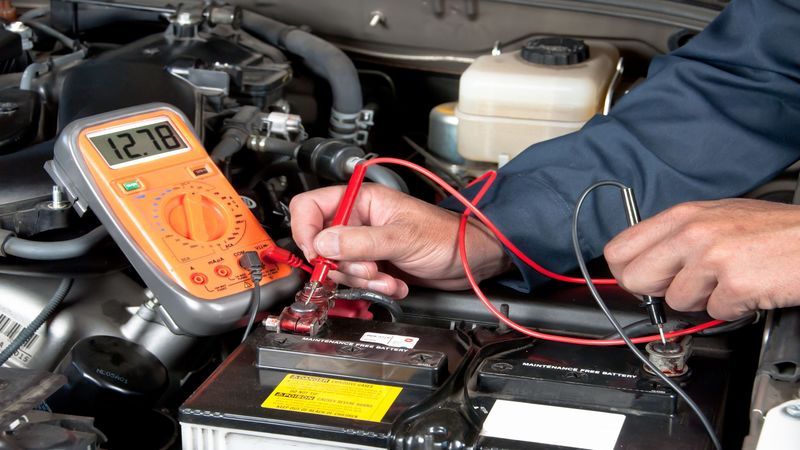
A car ac diagnostic is a structured evaluation, not a guess. While exact steps vary by vehicle, professional diagnostics commonly look at:
System pressures and performance trends
Technicians measure pressures to see whether the system is operating within expected ranges. Abnormal readings can point to low refrigerant, restrictions, or component performance issues.
Temperature output and consistency
Vent temperature is checked in context—considering ambient heat, engine temperature, and operating conditions. Consistency matters as much as the coldest moment.
Leak indicators and refrigerant integrity
Refrigerant doesn’t get “used up.” If it’s low, it’s usually leaking somewhere. Diagnostics may include methods to identify leak signs without relying on assumptions.
Compressor operation and clutch behavior (where applicable)
A compressor may engage but still be weak, intermittent, or noisy. Proper operation is critical because compressor issues are often among the more expensive A/C repairs.
Condenser and airflow factors
Restricted airflow through the condenser can reduce cooling dramatically, especially at idle. Fans, debris, or physical damage can all contribute.
Cabin airflow and filter condition
Air that isn’t moving well can feel like “warm A/C,” even if the system is cooling. Cabin air filter condition and blower performance can affect comfort.
Electrical and control system checks
Modern vehicles rely on sensors and control modules. A single faulty input can change compressor cycling behavior and overall cooling performance.
This is why auto ac repair decisions are best made after a diagnostic process that identifies the root issue—not just the symptom.
Common Desert-Heat Efficiency Problems (Without Guessing)
In Surprise, several patterns are common in A/C complaints, even when the system still “works”:
- Cooling that drops during idling or slow traffic
- Air that starts cold but warms during longer drives
- Cabin taking longer to cool after parking outdoors
- Airflow that feels weaker than it used to
- Odors that appear during startup or when switching modes
These patterns don’t automatically confirm a single cause, but they do indicate that professional evaluation can be helpful. Automotive ac service is designed to separate airflow issues from refrigerant issues, and mechanical wear from control-system behavior.
Why Timely Automotive A/C Service Helps Avoid Bigger Repairs
A/C repairs often become expensive when a small issue is allowed to persist. For example, low refrigerant can reduce lubrication in the system and increase wear over time. Restricted airflow can push pressures higher, adding strain. Intermittent electrical issues can cause erratic cycling that worsens performance and stresses components.
A professional approach helps drivers:
- Prevent small problems from escalating
- Restore efficiency so the system doesn’t overwork
- Improve consistency and comfort in extreme heat
- Reduce the chance of mid-summer failures
That’s especially important in Arizona, where losing A/C on a high-temperature day is more than inconvenient.
For drivers who want a reliable reference point for A/C maintenance and service considerations, it can be useful to review resources from a trusted automotive company like Champs Family Automotive, where they outline automotive service support and inspection-based care.
What to Expect From a Practical A/C Service Conversation
A professional service experience should focus on clarity:
- What the diagnostic results indicate (and what they don’t)
- Which issues affect safety/comfort now vs. later
- What repairs or services are appropriate for the system’s condition
- How desert heat may influence future maintenance timing
That kind of communication helps drivers make confident choices without pressure or confusion.
A Simple Standard for Surprise, AZ Drivers
In desert heat, A/C performance isn’t binary. It’s not just “working” or “broken.” A healthy system cools quickly, stays consistent in traffic, and runs efficiently without excessive strain. If cooling is slower, inconsistent, or less effective than it used to be, a car ac diagnostic and timely automotive ac service can protect both comfort and the system itself—often reducing the likelihood of bigger auto ac repair needs later.