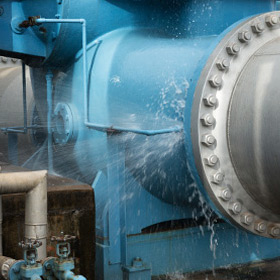
Reliable water flow starts with equipment that fits the job—not simply a pump with a high capacity rating. Building owners, facility managers, and contractors must account for demand, pressure, water quality, and installation conditions before choosing a system. When comparing options online, searching for Aurora Pump New York can help identify pumps suited to local projects, but the right selection depends on careful evaluation of the application.
Start With the System’s Requirements
Before comparing pump models, define what the system needs to deliver. Estimate the required flow rate, usually measured in gallons per minute, and the total head—the energy needed to move water through the system, including elevation changes and friction losses. These figures provide a practical starting point for matching a pump to the job.
Consider how demand changes throughout the day. A building with fluctuating occupancy may need variable flow, while a process requiring a steady supply may call for consistent output. Also account for the number of fixtures or equipment connections operating at once. Oversizing can waste energy and lead to excessive pressure, while undersizing may leave parts of the system without adequate flow.
Match the Pump to the Application
Different settings place different demands on water-handling equipment. A commercial building may need dependable pressure for domestic water or heating and cooling circulation. An industrial application could require a pump that handles continuous operation or specific fluid characteristics. Municipal and utility projects may prioritize durability and predictable performance under changing conditions.
Check the pump’s materials and construction against the water being moved. Temperature, suspended particles, and chemical content can affect wear and compatibility. Confirm that the pump’s operating range aligns with the expected conditions, rather than relying on a single maximum rating. A pump performs best when its normal workload falls within its intended range.
Evaluate Efficiency and Installation Needs
Energy use can add up over years of operation, so efficiency deserves attention alongside purchase price. Compare performance information at the flow and pressure your system actually needs. A properly selected motor and pump combination can reduce unnecessary energy consumption, especially in systems that run for long periods. Controls that adjust operation to changing demand may also be worth considering.
Installation conditions matter just as much. Measure available space, check pipe sizes and connections, and confirm electrical requirements before ordering. Consider access for inspection and repairs, as well as ventilation, drainage, and noise concerns. In New York, seasonal temperature changes and the possibility of freezing in exposed locations should also inform placement and protection plans.
Plan for Maintenance and Long-Term Reliability
A pump system is only as dependable as its installation and upkeep. Follow the manufacturer’s guidance for startup, lubrication, alignment, and inspection. Routine checks can reveal leaks, unusual vibration, overheating, or changes in pressure before they lead to a shutdown. Keep service records and make sure replacement parts and qualified support are accessible.
Ask practical questions before making a final selection: Is the pump suited to the expected duty cycle? Can it be serviced without disrupting the entire facility? Are performance specifications clear, and do they match the system design? Reviewing these details with a qualified pump professional can help prevent costly mismatches.
Choosing a dependable water-flow system means balancing capacity, pressure, efficiency, site conditions, and maintenance needs. Define the application first, verify performance at realistic operating points, and plan for installation and service from the start. With those steps, buyers can make a more confident choice and support reliable flow over the life of the system.