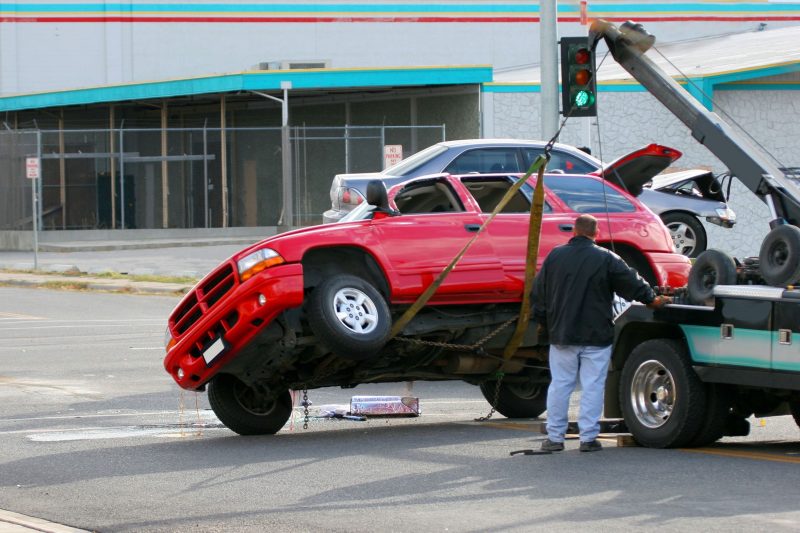
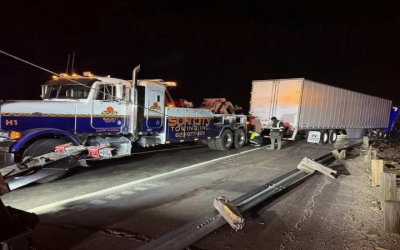
Transporting oversized machinery involves unique challenges that demand careful planning and strict adherence to safety protocols. Whether you are a seasoned professional or new to the field, understanding the essential precautions for moving heavy equipment is crucial for preventing accidents and ensuring a smooth operation. For contractors searching for reliable solutions, the phrase Heavy Equipment Hauling in St. Augustine, FL, is a common query, reflecting the need for professional, safe, and efficient hauling services in the area.
Pre-Trip Planning and Inspection
Before embarking on any hauling job, thorough preparation is key. Contractors should:
• Inspect Equipment and Trailers: Carefully examine both the machinery being transported and the hauling vehicle. Check for leaks, loose parts, tire pressure, and secure all attachments.
• Verify Load Capacity: Ensure the trailer and towing vehicle can safely handle the weight and dimensions of the equipment. Overloading increases the risk of accidents and mechanical failures.
• Plan the Route: Select the safest, most efficient path. Consider bridge clearances, weight restrictions, road conditions, and potential traffic delays. Always have an alternate route in case of unexpected roadblocks.
Proper Loading and Securing of Equipment
Missteps during loading can lead to catastrophic incidents. To minimize risks:
• Use Appropriate Loading Ramps: Ramps should be sturdy, secure, and rated for the equipment’s weight. Ensure they are set at a safe angle to prevent slipping or tipping.
• Balance the Load: Distribute weight evenly across the trailer to maintain stability during transit.
• Secure with Quality Tie-Downs: Use heavy-duty chains, straps, or binders rated for the load. Attach tie-downs to designated anchor points on both the equipment and the trailer.
• Double-Check Security: After securing, perform a walk-around inspection to confirm all tie-downs are tight and the equipment cannot shift.
Compliance with Legal Requirements
Adhering to local and federal regulations is non-negotiable for safe hauling:
• Obtain Necessary Permits: Oversized or overweight loads often require special permits. Research requirements for each jurisdiction along your route.
• Display Warning Signs and Lights: Use flags, banners, and warning lights as mandated. These alert other drivers to your presence and help prevent collisions.
• Follow Escort Vehicle Regulations: Some loads require escort vehicles. Make arrangements in advance and coordinate communication throughout the journey.
Safe Driving Practices
Once on the road, driving behavior plays a significant role in safety:
• Maintain Safe Speeds: Drive at or below posted limits, especially on curves or in poor weather.
• Increase Following Distance: Heavy loads require more time and space to stop. Leave ample room between your vehicle and others.
• Monitor the Load: Make periodic stops to check that the equipment remains secure and that no straps or chains have loosened.
Emergency Preparedness
Even with the best planning, emergencies can happen:
• Carry Emergency Equipment: Have reflective triangles, fire extinguishers, and first-aid kits readily accessible.
• Know Emergency Procedures: Train your crew on how to respond to breakdowns, accidents, or load shifts.
• Have Contact Information Ready: Keep a list of emergency contacts, including local authorities and roadside assistance, in case you need help quickly.
Hauling heavy machinery safely requires diligence, preparation, and an unwavering commitment to best practices. By conducting thorough pre-trip inspections, properly securing equipment, adhering to regulations, practicing safe driving, and preparing for emergencies, contractors can minimize risks and ensure successful transport operations. Remember, prioritizing safety not only protects valuable assets but also upholds your reputation and the well-being of everyone on the road.