Maintaining safe, attractive, and functional surfaces is a top priority for property managers across the Atlanta area. Whether overseeing residential communities, commercial complexes, or industrial sites, understanding when and how to replace asphalt can make a significant difference in property value and tenant satisfaction. Many property managers search for asphalt replacement in Atlanta, GA, when seeking expert guidance on this essential maintenance task.
Why Asphalt Replacement Matters
Asphalt surfaces endure heavy traffic, exposure to the elements, and regular wear and tear, especially in a city known for its hot summers and occasional severe weather. Over time, even the best-maintained parking lots and driveways will show signs of aging, such as cracks, potholes, and surface erosion. Properly timed replacement not only enhances curb appeal but also ensures safety for vehicles and pedestrians.
Key benefits of timely asphalt replacement include:
• Improved safety by eliminating trip hazards and potholes
• Enhanced property aesthetics and first impressions
• Increased property value and tenant satisfaction
• Prevention of costly repairs due to underlying structural damage
Signs That Asphalt Needs Replacement
Recognizing when to repair versus when to replace is crucial for property managers. Here are some common indicators that full replacement may be necessary:
• Widespread Cracking: Alligator or spider-web cracks are often signs of underlying structural issues.
• Deep Potholes: Large or recurring potholes indicate compromised sublayers.
• Drainage Problems: Persistent pooling or water damage can shorten the lifespan of asphalt.
• Faded Appearance: Significant fading and loss of aggregate signal the end of the pavement’s useful life.
If these issues are present, a complete replacement may be more cost-effective than repeated patching.
The Asphalt Replacement Process
Understanding the process helps property managers communicate effectively with contractors and set clear expectations for tenants. Here’s a general overview of what to expect:
1. Inspection and Assessment: A thorough evaluation determines the extent of damage and the best approach.
2. Removal of Old Asphalt: The existing surface is removed, often down to the base layer.
3. Base Preparation: The subgrade is repaired or replaced to ensure a stable foundation.
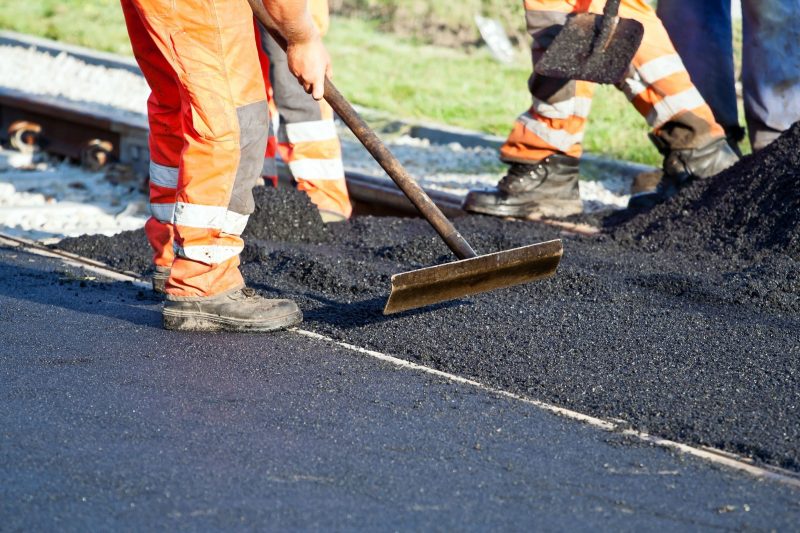
4. New Asphalt Installation: Fresh asphalt is laid, compacted, and finished for a smooth surface.
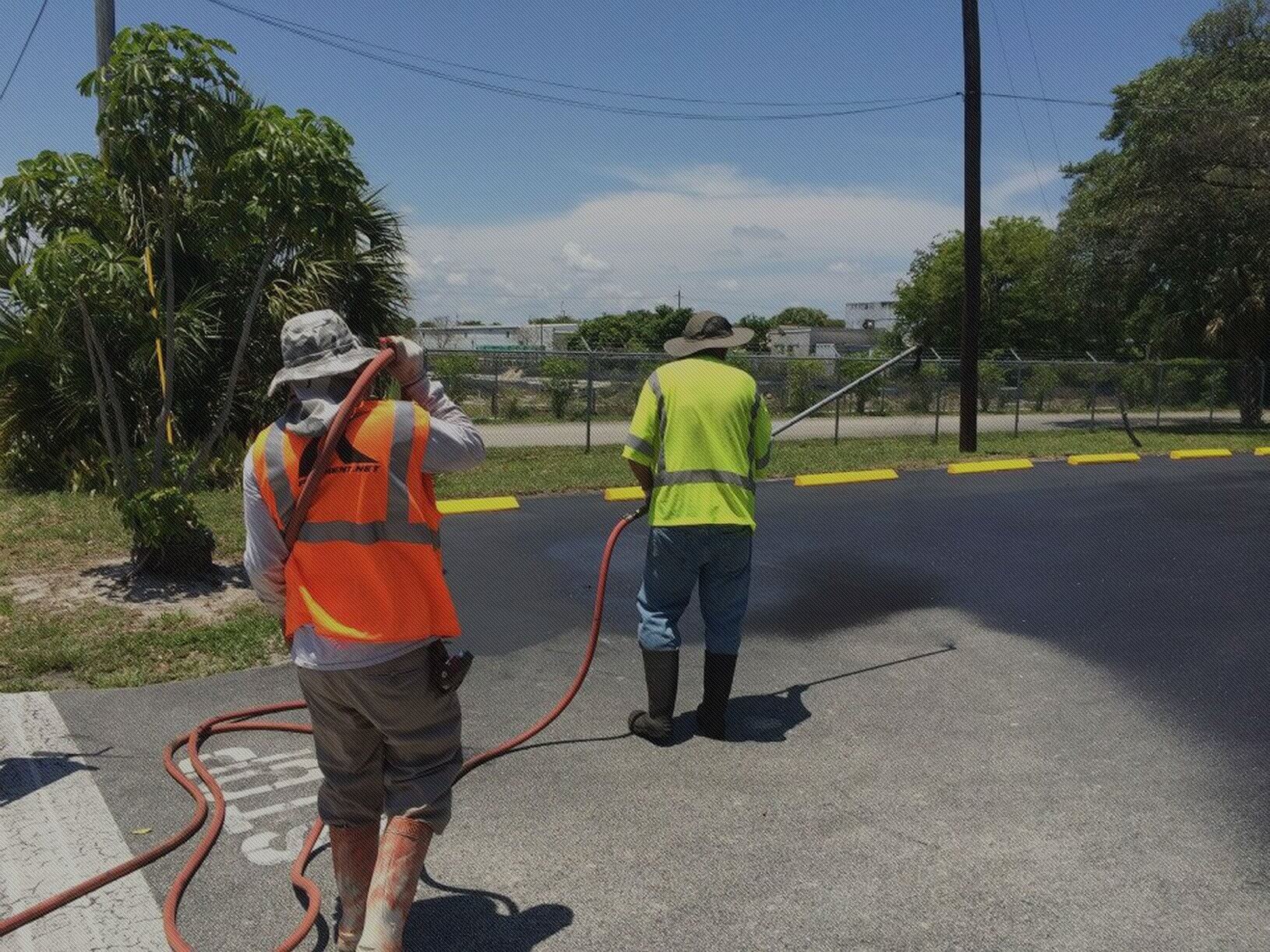
5. Curing and Striping: The surface cures before new lines and markings are applied.
Proper planning can minimize disruptions to residents or businesses during the project.
Tips for Managing Asphalt Replacement Projects
To ensure a successful outcome, property managers should consider the following:
• Schedule work during off-peak hours or slow seasons to reduce inconvenience.
• Communicate clearly with tenants and staff about project timelines and access restrictions.
• Choose reputable, experienced contractors with local knowledge.
• Budget for routine maintenance to extend the life of new asphalt.
Asphalt replacement is a significant investment that can greatly improve property safety, appearance, and value. By understanding the signs of wear, the replacement process, and best practices for managing projects, property managers can make informed decisions that benefit their properties in the long term. For those seeking reliable information and assistance with asphalt replacement in Atlanta, GA, working with knowledgeable professionals ensures quality results and peace of mind.
Ready to improve your property’s safety and curb appeal? Contact a trusted local expert for a comprehensive evaluation and quote today.