Simply put:
• An estate planning lawyer drafts wills, trusts, and powers of attorney to direct how assets and decisions are handled during incapacity or after death.
• Services typically include wills, trusts, healthcare directives, and probate-related guidance tailored to individual family circumstances.
• Residents across Denver, CO can access these services from attorneys based elsewhere, since most planning work can be completed remotely or by appointment.
An estate planning lawyer helps individuals and families create legally binding documents that control how property is distributed, who makes medical or financial decisions during incapacity, and how probate is handled after death. These attorneys typically prepare wills, trusts, powers of attorney, and healthcare directives while advising on strategies to reduce administrative burdens for heirs.
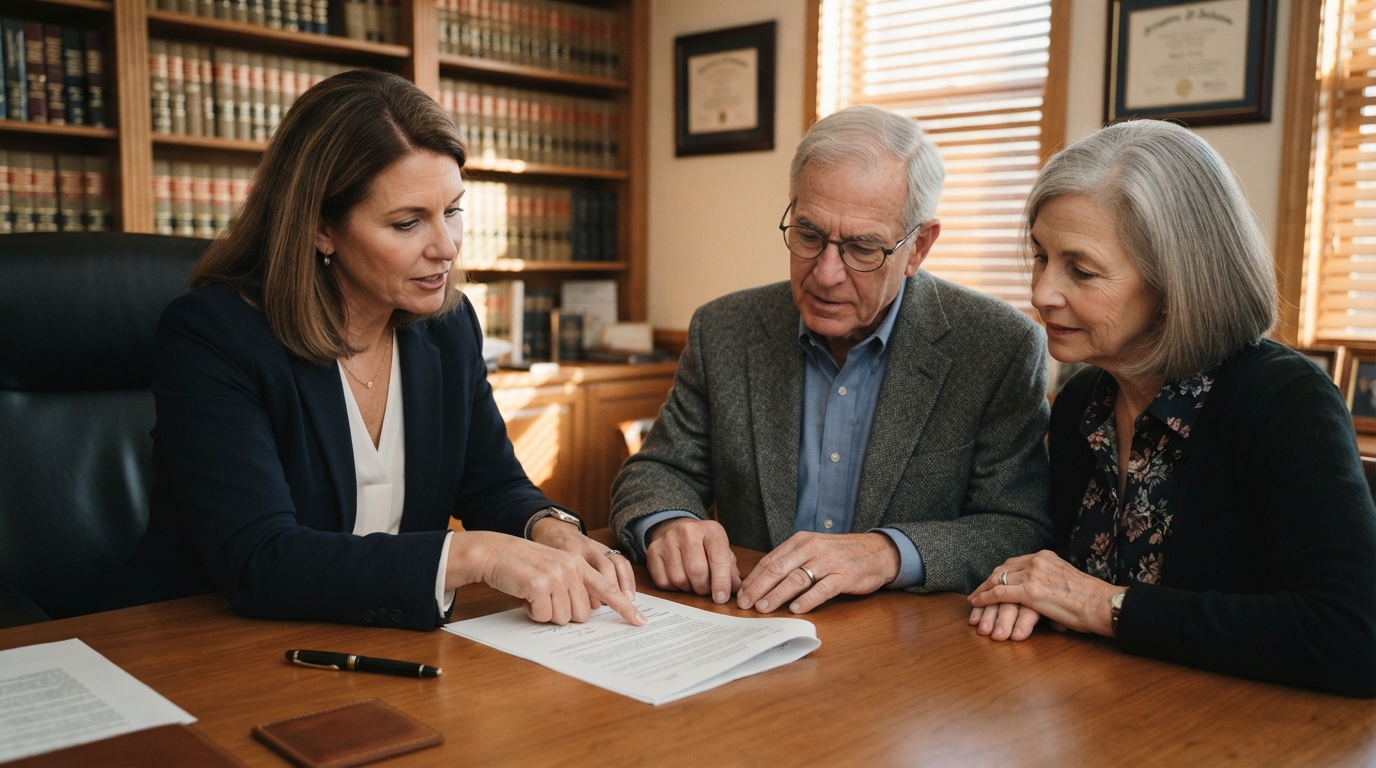
Working with an estate planning lawyer often starts with a review of assets, family structure, and long-term goals before any documents are drafted. This initial consultation helps determine whether a simple will is sufficient or whether a trust-based plan better suits the situation. Attorneys then translate those decisions into documents that meet state-specific legal requirements.
Core Documents an Estate Planning Attorney Prepares
Most estate plans rest on a small set of foundational documents, each serving a distinct legal function.
• Last will and testament – directs asset distribution and can name guardians for minor children.
• Revocable or irrevocable trusts – hold assets outside probate and can specify conditions for distribution.
• Durable power of attorney – authorizes someone to manage financial affairs if the person becomes incapacitated.
• Healthcare directive or living will – states medical treatment preferences and names a healthcare proxy.
Each document addresses a different risk. A will alone does not prevent probate, while a trust can, depending on how it is funded and structured.
Why Planning Matters for Denver, CO Residents
Colorado follows its own probate code, and estate planning decisions should reflect state-specific rules on intestacy, spousal elective shares, and trust administration. Residents of Denver, CO who die without a will are subject to Colorado’s intestacy statutes, which dictate asset distribution regardless of personal wishes. The Colorado Judicial Branch publishes self-help resources explaining probate procedures and required filings for estates administered in the state.
Because many planning documents can be prepared through consultations, document review, and signing appointments rather than requiring a local office visit, residents in Denver, CO are not limited to attorneys physically located in the area. Based in USA, Independence Legal Group PLLC serves clients across Denver, CO through remote consultations and document preparation rather than a physical branch location.
Choosing Between a Will and a Trust
| Factor | Will Only | Trust-Based Plan |
| Probate required | Yes, typically | Often avoided for trust assets |
| Privacy | Becomes public record | Generally remains private |
| Incapacity planning | Not addressed | Can include incapacity provisions |
| Setup complexity | Lower | Higher, requires funding trust |
Neither option is universally better. A will may be adequate for simpler estates, while a trust often suits those with real property, blended families, or a desire to avoid probate court involvement.
Frequently Asked Questions
Does every estate plan require a trust? No. Many individuals with modest assets and straightforward family situations rely solely on a will and powers of attorney, reserving trusts for more complex planning needs.
What happens if someone dies without a will in Colorado? Assets pass according to Colorado’s intestacy laws, which follow a fixed order of relatives rather than personal preference, as outlined in state probate guidance.
Can estate planning documents be updated later? Yes. Wills, trusts, and powers of attorney can generally be revised when circumstances change, such as marriage, divorce, births, or significant shifts in assets.
Is probate always required after death? Not always. Assets held in a properly funded trust, jointly titled property, or accounts with named beneficiaries often bypass probate entirely.
Next Steps for Reviewing an Estate Plan
Reviewing existing documents periodically, especially after major life events, helps confirm that a plan still reflects current wishes and family circumstances. Working with an attorney familiar with Colorado probate rules can clarify which documents are necessary and how they interact. Current service area information for Independence Legal Group PLLC is published online for individuals comparing estate planning resources.