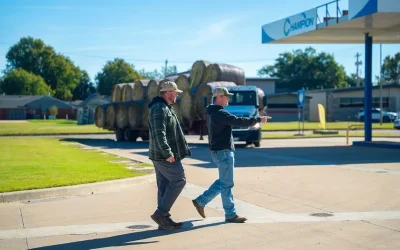
When planning any land development project, safety and environmental responsibility are top priorities. Across the state, developers, property owners, and investors face unique challenges due to Oklahoma’s diverse landscapes, historical land uses, and strict environmental regulations. Conducting an Environmental Site Assessment in Oklahoma is a crucial step for anyone seeking to ensure that a property is suitable for development and free from hidden environmental risks.
Understanding Environmental Site Assessments
An environmental site assessment (ESA) is a detailed investigation that evaluates a property for potential contamination or environmental hazards. In Oklahoma, these assessments are particularly important due to the region’s history with oil and gas production, agriculture, and industrial activity. The process typically follows a phased approach:
• Phase I ESA: This initial phase includes a review of historical records, site inspections, and interviews to identify signs of past or present contamination.
• Phase II ESA: If potential issues are found, this phase involves soil, water, and air testing to determine the extent of contamination.
• Phase III ESA: This final phase focuses on remediation planning and cleanup, if required.
By following these steps, property stakeholders can better understand the risks and responsibilities associated with a site before moving forward with development.
Why Environmental Site Assessments Matter in Oklahoma
Oklahoma’s land is shaped by decades of natural resource extraction, agriculture, and industrial use. As a result, properties may contain hidden hazards such as underground storage tanks, chemical residues, or petroleum byproducts. Failing to identify these issues can lead to:
• Unexpected cleanup costs
• Delays in construction
• Legal liabilities
• Threats to community health and safety
Performing an Environmental Site Assessment in Oklahoma helps mitigate these risks by uncovering potential problems early in the development process. This proactive approach not only protects future occupants and the surrounding environment but also safeguards investments by reducing the likelihood of costly surprises.
Legal and Regulatory Considerations
State and federal environmental laws require property owners and developers to identify and address contamination before starting most development projects. In Oklahoma, regulations are enforced by agencies such as the Oklahoma Department of Environmental Quality and the Environmental Protection Agency. An ESA serves as documented proof that a property has been thoroughly vetted for environmental concerns, which can be essential for securing permits, financing, and insurance.
Benefits of Early Assessment
Conducting an ESA before purchasing or developing land offers several key advantages:
• Informed Decision-Making: Gain a clear understanding of any environmental risks associated with a property.
• Financial Protection: Avoid unexpected expenses related to remediation or legal action.
• Regulatory Compliance: Ensure all local, state, and federal requirements are met.
• Community Trust: Demonstrate a commitment to responsible development and environmental stewardship.
Taking the Next Step
Land development in Oklahoma presents exciting opportunities, but it also demands careful planning and due diligence. An Environmental Site Assessment in Oklahoma is an essential tool for identifying risks, meeting legal requirements, and protecting both people and the environment. By investing in a thorough assessment, developers and property owners can move forward with confidence, knowing they have laid the groundwork for a safe and successful project.
Ready to begin your land development journey? Learn more about the importance of environmental site assessments and how they can help you achieve safe, compliant, and sustainable results by visiting this resource on environmental site assessment.