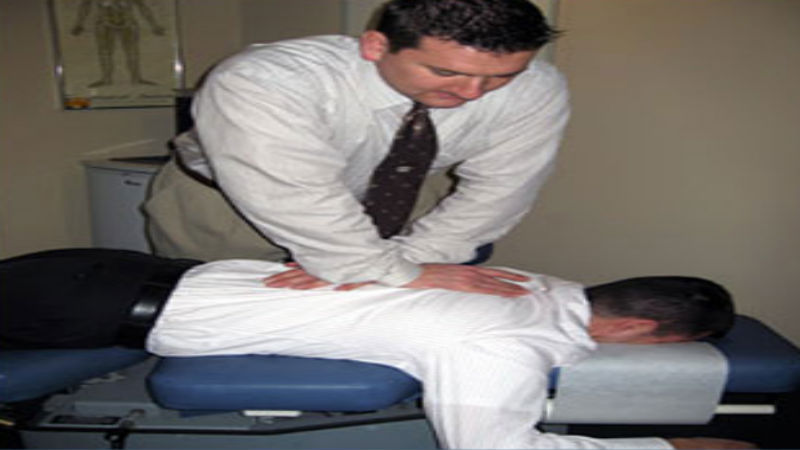
Disc-related back pain is a common reason people seek conservative musculoskeletal care. When spinal discs are subjected to prolonged stress, reduced movement, or repetitive loading, internal pressure can increase and contribute to discomfort, stiffness, and limited mobility. For this reason, spinal decompression has become a frequently discussed option within chiropractic services in San Diego for individuals dealing with disc-related spinal issues.
Understanding how spinal decompression works—and when it may be appropriate—can help individuals make informed decisions about managing back pain without invasive procedures.
What Causes Disc-Related Pressure in the Spine?
Spinal discs act as cushions between vertebrae, allowing flexibility and shock absorption. Over time, factors such as prolonged sitting, poor posture, repetitive movement, or reduced spinal motion can alter how discs absorb load.
When disc pressure increases or disc space is reduced, surrounding structures may experience added mechanical stress. This can contribute to discomfort, restricted movement, or pain patterns that persist despite rest alone.
What Is Spinal Decompression?
Spinal decompression is a non-surgical therapy that applies controlled, gentle traction to the spine using specialized equipment. The goal is to reduce compressive forces within the spinal discs and encourage improved fluid exchange.
Unlike generalized stretching, spinal decompression targets specific spinal levels based on individual assessment findings. This precision allows decompression to address disc-related stress more effectively than passive traction methods.
How Spinal Decompression Reduces Disc Pressure
Spinal decompression works by creating a slight negative pressure within the disc space. This pressure change may help reduce mechanical loading on the disc and surrounding tissues.
By alternating phases of tension and relaxation, decompression supports circulation and nutrient delivery within spinal structures. These physiological responses are particularly relevant when discs have been under prolonged compression and limited motion.
Which Disc-Related Conditions May Respond to Decompression?
Spinal decompression is commonly considered when disc-related stress contributes to persistent back pain. Conditions often evaluated for decompression suitability include disc bulging, disc degeneration, and chronic disc compression patterns.
It is important to note that spinal decompression is not appropriate for all spinal conditions. Clinical evaluation determines whether disc-related pressure is a primary contributor to symptoms before decompression is considered.
How Chiropractors Determine Whether Decompression Is Appropriate
Chiropractors assess spinal motion, posture, neurological response, and tolerance to movement when evaluating disc-related pain. This assessment helps distinguish disc pressure from other sources of discomfort, such as muscle strain or joint instability.
Within chiropractic services in San Diego, spinal decompression is typically introduced only when findings suggest it may reduce mechanical stress contributing to symptoms. If disc involvement is not a primary factor, other conservative approaches may be recommended instead.
How Spinal Decompression Fits Into a Broader Care Approach
Spinal decompression is rarely used in isolation. Instead, it is often part of a broader chiropractic care plan focused on restoring spinal movement and improving functional mechanics.
Improving spinal motion through chiropractic adjustments, posture guidance, and movement education may help prevent recurring disc stress after decompression sessions conclude. This combination approach supports longer-term spinal adaptability rather than short-term relief alone.
Educational overviews of this integrated approach are available through resources from the
best chiropractic provider in San Diego, California, which outlines how spinal decompression is incorporated into conservative care strategies.
Why Location Matters for Spinal Decompression Care
San Diego’s mix of remote work, commuting, and recreational activity creates varied physical demands on the spine. Prolonged sitting during work hours combined with physical activity outside of work can increase disc loading if spinal mobility is limited.
Chiropractic services in San Diego often account for these lifestyle factors when recommending spinal decompression. Care strategies may be adapted to support both occupational and recreational movement demands common in the region.
How Progress Is Measured During Decompression Care
Progress with spinal decompression is measured through functional improvements rather than pain reduction alone. Chiropractors may track changes in spinal mobility, activity tolerance, and movement comfort over time.
This functional focus helps ensure decompression continues to align with individual response and overall care goals. If progress plateaus or movement patterns change, care plans are adjusted accordingly.
When Disc-Related Back Pain Should Be Evaluated
Disc-related back pain should be evaluated when discomfort:
- Persists beyond several weeks
- Limits movement or posture tolerance
- Returns repeatedly without a clear cause
- Worsens with sitting or prolonged positioning
Early assessment allows conservative care options such as spinal decompression to be considered before compensation patterns become more established.
Understanding Conservative Options for Disc-Related Pressure
Spinal decompression represents one conservative option for managing disc-related stress when applied appropriately. Its goal is to reduce mechanical pressure while supporting spinal motion rather than altering spinal structure.
For individuals in San Diego exploring non-invasive approaches to disc-related back pain, understanding how spinal decompression works can help support informed and confident care decisions.