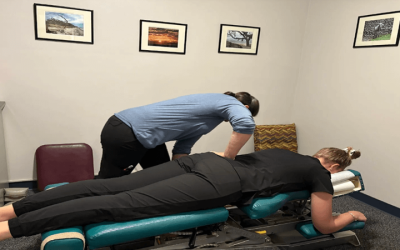
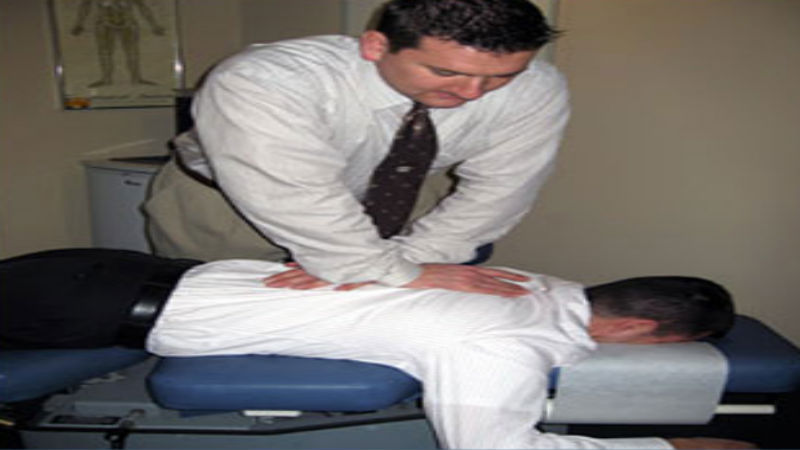
A chiropractic adjustment is a controlled, targeted manual technique designed to restore motion to restricted spinal joints. In Irvine, CA, individuals seeking chiropractic care often ask what their first visit involves, how spinal alignment is evaluated, and what they should expect during treatment.
Understanding the process helps patients make informed decisions before scheduling their appointment.
What Is a Chiropractic Adjustment?
A chiropractic adjustment is a precise force applied to specific spinal joints that are not moving properly. Restricted joints can lead to irritation, muscle tension, inflammation, and reduced mobility.
Chiropractic care focuses on:
- Restoring joint motion
- Improving spinal alignment
- Supporting nervous system function
- Reducing mechanical stress
When spinal joints function properly, surrounding tissues experience less strain. This structural correction is central to addressing conditions such as back pain, neck discomfort, tension-related headaches, and mobility restrictions.
Why Do People Search for the Best Chiropractor Near Me?
When discomfort becomes persistent, many individuals search for the “best chiropractor near me” to identify providers with experience in spinal care.
Common reasons people seek chiropractic adjustments include:
- Chronic or recurring back pain
- Neck stiffness from prolonged screen use
- Reduced mobility
- Postural imbalance
- Headaches linked to cervical tension
In Irvine, CA, selecting a chiropractor familiar with local patient needs and lifestyle demands can make ongoing care more accessible and consistent.
What Happens During the First Visit?
The first chiropractic visit typically involves three main phases: consultation, examination, and treatment (if appropriate).
1. Consultation
The chiropractor gathers detailed information about the patient’s symptoms, medical history, lifestyle habits, and previous injuries. Understanding when pain began, what aggravates it, and whether symptoms radiate helps guide the evaluation.
This stage also helps determine whether chiropractic care is appropriate or whether referral to another provider is necessary.
2. Physical Examination
The examination may include:
- Postural analysis
- Spinal palpation
- Range-of-motion testing
- Orthopedic assessments
The chiropractor identifies areas where spinal joints show restricted movement. Healthy joints move freely; when they become fixated, inflammation and compensatory muscle guarding can occur.
In some cases, imaging may be recommended if clinically indicated.
3. The First Chiropractic Adjustment
If no contraindications are present, the first chiropractic adjustment may occur during the initial visit.
During the procedure:
- The patient is positioned to isolate the affected joint
- A specific, controlled force is applied
- A small “popping” sound may occur due to gas release within the joint
The adjustment itself is typically quick. Many patients report improved mobility shortly afterward, while others may notice gradual improvement over several days.
Is a Chiropractic Adjustment Painful?
In most cases, chiropractic adjustments are not painful. Patients may experience:
- Mild pressure
- Gentle stretching sensations
- Temporary soreness
Post-treatment soreness, when present, is usually mild and comparable to muscle stiffness after exercise. It typically resolves within 24–48 hours.
The goal of chiropractic care is not forceful manipulation but precise correction of restricted movement patterns.
How Does Chiropractic Care Improve Spinal Function?
When joints remain restricted, surrounding tissues compensate. Over time, this compensation can create muscular imbalance and inflammation.
Chiropractic adjustments help:
- Improve joint biomechanics
- Enhance mobility
- Reduce stress on surrounding muscles
- Support balanced posture
The spine plays a central role in structural stability. Improving spinal alignment reduces mechanical stress on tissues, which may decrease chronic irritation.
How Many Visits Are Typically Needed?
The number of visits varies depending on the severity and duration of symptoms. Acute issues may respond within a few visits, while chronic conditions often require a structured care plan.
Treatment recommendations typically depend on:
- The condition’s duration
- Patient activity level
- Underlying spinal degeneration
- Response to initial care
Consistency is often important for long-term structural correction.
For individuals researching local providers, information about experienced chiropractors in Irvine can be found by exploring resources from the best chiropractor in Irvine, CA.
What Should Patients Expect After Their First Adjustment?
After the first adjustment, patients may notice:
- Increased mobility
- Reduced stiffness
- Improved posture awareness
- Mild temporary soreness
They may also receive guidance on posture, ergonomics, and movement strategies to prevent recurrence.
Recovery timelines differ depending on whether the issue is acute or chronic. Structural conditions that have developed over years may require progressive correction.
Who Is a Candidate for Chiropractic Care?
Chiropractic care may be appropriate for individuals experiencing:
- Mechanical back pain
- Cervical strain
- Postural imbalance
- Joint stiffness
- Tension headaches related to neck dysfunction
However, people with certain medical conditions may require additional evaluation before treatment. A comprehensive examination ensures safe and appropriate care.
Final Thoughts
A first chiropractic adjustment in Irvine, CA typically involves a detailed consultation, structured evaluation, and targeted spinal correction. Chiropractic care focuses on restoring joint motion and improving alignment to reduce mechanical stress contributing to discomfort.
Understanding what happens during the first visit allows patients to approach care with confidence and clarity. For those searching for the best chiropractor near me, knowing the evaluation process and treatment methods can help guide informed decisions about spinal health.