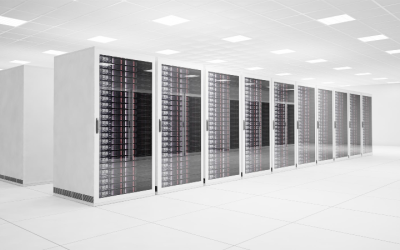
In today’s digital-driven world, operational continuity is a top priority for organizations of all sizes. From financial institutions to healthcare providers, the ability to maintain uptime is critical to serving customers, protecting data, and ensuring compliance. However, one of the most unpredictable and disruptive threats to business operations is a sudden loss of power. While backup generators have long been a staple, more organizations are searching for robust solutions online using phrases like “Data center ups system” to ensure their facilities operate seamlessly even during unexpected outages.
Understanding Power Outage Risks in Data Centers
Power outages can result from a range of causes—natural disasters, grid failures, equipment malfunctions, or even routine maintenance. For data centers, even a brief interruption can lead to significant consequences. These include data corruption, hardware damage, interrupted services, and loss of customer trust. The costs associated with downtime can escalate quickly, impacting not only revenue but also an organization’s reputation.
Given these high stakes, having a strategy to bridge the gap between a power outage and the activation of backup power sources is essential. This is where an uninterruptible power supply (UPS) system becomes a mission-critical component.
How a Data Center UPS System Works
A UPS system acts as a protective buffer for your data center’s sensitive equipment. It provides immediate, short-term power during an outage, allowing operations to continue without interruption until backup generators come online or power is restored. Here’s a closer look at how it functions:
• Instantaneous Response: When the main power supply fails, the UPS system switches to battery power in milliseconds, ensuring there is no disruption to connected equipment.
• Power Conditioning: Beyond just providing backup power, a reliable UPS system also conditions incoming electricity, filtering out surges, spikes, and voltage fluctuations that can harm sensitive electronics.
• Graceful Shutdown: If an outage persists, the UPS system allows for a controlled, orderly shutdown of systems, preventing data loss and hardware damage.
Key Benefits of a Reliable UPS System in Data Centers
Investing in a high-quality UPS system for your data center offers several advantages:
1. Uptime Assurance
Maintaining continuous operation is vital in sectors where downtime translates directly into lost revenue or compromised safety. A reliable UPS ensures critical applications remain online, even during power disturbances.
2. Data Protection
Power interruptions can corrupt files, damage storage devices, and result in data loss. With a UPS system in place, servers and storage arrays remain powered long enough to save work in progress and protect vital information.
3. Equipment Longevity
Repeated exposure to power surges, brownouts, or sudden shutdowns can degrade sensitive hardware over time. By stabilizing power supply and filtering out irregularities, a UPS system extends the lifespan of essential data center equipment.
4. Seamless Integration with Backup Generators
While generators provide long-term backup, they typically require several seconds to start. A UPS system bridges this gap, ensuring there is no lapse in power supply during the transition.
5. Regulatory Compliance
Many industries are subject to strict data protection and uptime regulations. Implementing a UPS system helps organizations meet these requirements and avoid costly penalties.
Choosing the Right UPS System for Your Data Center
Selecting the appropriate UPS system depends on your data center’s size, power requirements, and criticality of operations. Here are a few considerations:
• Capacity: Assess the total power load of your equipment to determine the UPS size needed.
• Redundancy: For mission-critical environments, consider N+1 redundancy, where additional UPS modules provide backup in case of failure.
• Scalability: As your data center grows, choose a modular UPS system that can expand to meet increasing demands.
• Maintenance: Opt for systems with remote monitoring and diagnostic features to simplify maintenance and minimize downtime.
Best Practices for Maintaining UPS Reliability
To maximize the effectiveness of your UPS system, follow these best practices:
1. Regular Testing: Perform routine load tests to ensure batteries and components function as expected.
2. Scheduled Maintenance: Adhere to the manufacturer’s maintenance schedule, replacing batteries and worn parts proactively.
3. Environmental Controls: Keep the UPS in a temperature-controlled, dust-free environment to prevent overheating and component degradation.
4. Staff Training: Train personnel on UPS operation and emergency procedures to respond swiftly during an outage.
Embracing Resilience in a Power-Dependent World
As data centers become the backbone of modern business, safeguarding operations against power outages is more important than ever. A robust UPS system not only protects critical infrastructure but also ensures business continuity, data integrity, and customer satisfaction. By proactively investing in reliable backup solutions and following best practices for maintenance, organizations can confidently navigate the uncertainties of power disruptions and keep their operations running smoothly, no matter what challenges arise.