Short answer:
- Security window film reinforces existing glass to slow forced entry, contain shattered fragments, and reduce UV exposure — without replacing windows.
- Omaha property owners should match film thickness and type to their specific risk level before scheduling installation.
Choosing the right protective film starts with understanding what the product actually does. Glass remains the weakest point of entry on most buildings, and security window films deter break-ins and protect against severe weather by holding shattered glass together rather than letting it fall away. If you are researching security window film installation in Omaha, NE, the decisions you make before the installer arrives — film grade, application zone, and attachment method — matter as much as the installation itself.
What Security Window Film Actually Does
Security window film is not the same as standard window tint or decorative film. While those products manage light and aesthetics, security films are engineered multi-layer laminates designed to absorb repeated impacts and keep broken glass intact.
The film works by using pressure-sensitive adhesives to bond multiple polyester layers directly to existing glass. When impact occurs, the film’s tear-resistant properties hold glass shards in place while the strong adhesive keeps everything attached to the window frame.
Key protective functions include:
- Forced entry delay, extending break-in time from roughly 10 seconds to over a minute
- Shatter protection, holding broken glass together and reducing injury risks from flying shards during storms, accidents, or impacts
- UV ray blocking, added privacy, and reduced heat gain through glass during warmer months
Comparing Film Grades: Which Thickness Is Right for You?
Security films are available in various thicknesses, from 100 micrometers (4 mil minimum) through to 525 micrometers and above. Film thickness is selected based on the level of protection desired and the dimensions of the glass pane. The International Window Film Association (IWFA) sets industry-wide performance and installation standards that guide product selection across all grades.
| Film Grade | Thickness Range | Best Application |
| Entry-level safety | 4-7 mil | Interior glass, low-risk zones |
| Mid-range security | 8-12 mil | Ground-floor windows, sliding doors |
| Heavy-duty security | 14 mil and above | High-risk storefronts, large glass panels |
Mid-range security films between 8-12 mils deliver substantially enhanced protection for ground-floor windows, sliding glass doors, and properties in areas with elevated risk of break-ins or storm damage.
Properties most likely to benefit include those with a history of break-ins, street-facing or ground-floor windows, exposure to severe weather, older single-pane glass, or large glass panels.
One practical note on clarity: premium clear security films reduce visible light transmission by only 5-10%, maintaining excellent clarity and natural light. Tinted or reflective variants trade some transparency for added daytime privacy.
What to Expect During the Installation Process
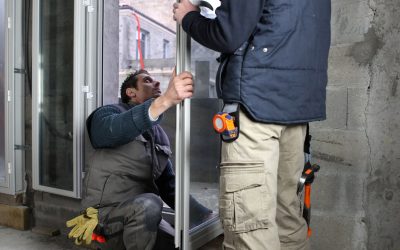
A professional installation follows a consistent sequence regardless of film grade. The installer cleans the glass surface thoroughly, cuts the film to fit each pane, and applies it using a water-based solution that allows repositioning before the adhesive cures.
Installed film has a discrete time for full adhesion to be achieved, since installation utilizes a detergent solution to float the film onto the glass. The time to achieve full adhesion is often called “the adhesive cure time,” and adhesion increases gradually during this period. Visual and adhesive cure time is related to the thickness of the film.
Expect some temporary haze or small water bubbles during the cure window — these are normal and resolve on their own. During installation, some contamination from dust and fibers is expected. According to IWFA guidelines, such contaminants should not cause noticeable distortion or color variation in the finished film.
Questions to ask your installer before work begins:
- What film brand and product line will be used?
- Is an edge attachment or anchoring system included for maximum glass retention?
- What warranty covers both the film and the labor?
- Will the film affect any existing window or glass warranties?
Frequently Asked Questions
Does security window film work on all glass types? Safety and security films are used wherever there is potential for injury from broken glass. They can be applied to toughened, annealed, or laminated glass. Consult an installer to confirm compatibility with specialty coatings or insulated units.
How long does installation take? Most residential jobs are completed in a single visit. Larger commercial projects with many panes may require a second day. Cure time extends several days beyond the visible install.
Is security film a substitute for an alarm system? Security window film helps deter break-ins by making glass more difficult to shatter, but it does not make windows completely unbreakable. It delays forced entry, giving property owners more time to react or allowing security systems to activate. Film works best as one layer within a broader security plan.
What does professional installation cost? Cost typically ranges from $7-$10 per square foot installed for entry-level safety film, with heavier grades priced higher. Get at least two quotes and compare product specifications alongside price.
For Omaha homeowners and business owners ready to move forward, Mid-States Performance Films offers residential and commercial security and privacy film installation across the Omaha and La Vista area. Request an estimate, confirm the film grade that fits your property, and schedule installation during moderate weather for the best adhesive cure results.