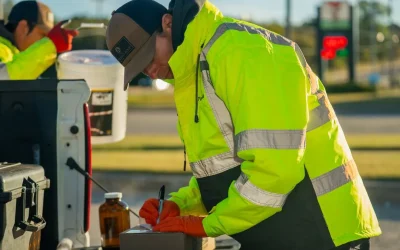
Oklahoma’s landscape is dotted with thousands of underground storage tanks (USTs), often used for storing petroleum products and hazardous substances. Over time, these tanks can corrode, crack, or develop leaks, allowing harmful chemicals to seep into the soil and groundwater. When residents search for solutions using phrases like “Underground Storage Tank Remediation Oklahoma,” they are seeking ways to safeguard their communities from contamination and ensure the long-term health of local water resources.
Understanding the Risks of Underground Storage Tanks
Underground storage tanks are essential for fueling stations, agricultural operations, and industrial facilities. However, when these tanks fail, the consequences can be severe. Leaks from USTs can introduce petroleum hydrocarbons, heavy metals, and other toxic substances into the surrounding environment. Since much of Oklahoma relies on groundwater as a primary source of drinking water, even a small leak can have far-reaching impacts.
Contaminants from leaking tanks can travel through the soil and reach aquifers, rivers, and lakes. This not only threatens drinking water supplies but also endangers aquatic habitats and public health. Typical risks associated with leaking USTs in Oklahoma include:
• Groundwater contamination: Hazardous substances can migrate quickly, making early detection and response critical.
• Soil degradation: Pollutants can render soil infertile and unfit for agriculture or development.
• Vapor intrusion: Harmful vapors can enter nearby buildings, posing additional health risks.
The Remediation Process: Protecting Water Quality
Remediating underground storage tanks involves a series of steps designed to identify, contain, and clean up contamination. The ultimate goal is to restore the site and prevent further pollution of local water sources. The process typically includes:
1. Site Assessment: Environmental professionals conduct soil and groundwater testing to determine the extent of contamination.
2. Tank Removal or Repair: Damaged tanks are either removed or repaired, and any remaining product is safely disposed of.
3. Soil and Water Cleanup: Contaminated soil may be excavated and treated, while groundwater is often pumped and treated using specialized filtration systems.
4. Ongoing Monitoring: After remediation, sites are monitored to ensure contaminants remain at safe levels and that no new leaks occur.
By following these steps, underground storage tank remediation in Oklahoma directly addresses the sources of pollution and helps maintain the integrity of vital water resources.
Regulatory Oversight and Community Benefits
Oklahoma has established strict regulations for UST management and remediation to protect public health and the environment. Regular inspections, leak detection systems, and prompt remediation actions are mandated to minimize risks. These regulations not only ensure compliance but also foster community trust in local water quality.
Proper remediation offers several benefits, including:
• Reducing environmental liability
• Safeguarding public health
• Preserving property values
• Supporting sustainable development
Why Timely Action Matters
Delaying remediation can escalate cleanup costs and increase the likelihood of widespread contamination. Prompt action helps prevent pollutants from spreading and ensures that water supplies remain clean and safe.
Protecting Oklahoma’s water quality requires vigilance and proactive management of underground storage tanks. By prioritizing effective remediation, communities can enjoy safer water and a healthier environment for generations to come.
If you are concerned about potential contamination or need more information about underground storage tank remediation in Oklahoma, learn more about UST remediation services and take steps to protect your property and community today.