Neck pain can feel like it’s coming from one spot, but the source is often broader than the neck alone. Many people in Buckhead, GA notice symptoms after long workdays, commuting, travel, or workouts, then start searching for chiropractic care, comparing “best chiropractor near me” options, and trying to understand what chiropractic therapy actually addresses. A key concept that can make neck pain easier to manage is this: the neck depends heavily on how the upper back and shoulders move.
When the upper back is stiff or the shoulder girdle isn’t doing its share of the work, the neck often compensates. Over time, that compensation can lead to recurring tightness, headaches, reduced range of motion, or pain that flares up with everyday tasks.
The Neck Doesn’t Work Alone: How the Upper Back Supports It
Your neck is built for mobility, turning your head, looking up and down, tracking screens, and reacting quickly while driving. But it’s not designed to carry the entire workload by itself. The upper back (thoracic spine) provides a stable base for neck motion, and the shoulders help distribute load during reaching, lifting, and posture changes.
When upper back mobility is limited, the neck may move more than it should to compensate, especially during rotation (turning your head) and extension (looking up). Similarly, when shoulder mechanics are off, the neck muscles can become overactive to stabilize the area.
The result is often not a single “injury,” but a pattern: repeated overload that makes the neck more reactive over time.
Common Patterns That Make Neck Pain More Likely
Neck pain often builds from habits and repetitive postures rather than one dramatic event. In Buckhead, common day-to-day triggers include desk work, phone use, driving, and stress-related tension. These are a few patterns that frequently show up.
Upper back stiffness from prolonged sitting
When you sit for long periods, especially with rounded shoulders, the upper back tends to become less mobile. If the upper back doesn’t rotate or extend well, the neck has to compensate when you check blind spots, look up, or turn quickly.
Shoulder position and “reach” overload
Forward shoulder posture can change how the shoulder blade moves. When the shoulder blade isn’t stable or isn’t moving smoothly, muscles near the neck may tighten to help control motion. This is common for people who use laptops frequently, carry heavy bags on one side, or do repetitive overhead activity.
Stress and shallow breathing
Stress can increase muscle tension and reduce how freely the ribs and upper back move with breathing. That often leads to more neck and shoulder guarding, especially at the end of a long day.
Workout imbalances
Training that emphasizes chest and front-shoulder work without enough upper back strength and mobility can shift the shoulders forward. Over time, the neck may take on extra stabilization work.
Signs Your Upper Back and Shoulders May Be Involved
Neck pain that starts in the upper back and shoulders often has a few recognizable clues:
- Pain increases after sitting, computer work, or driving
- You feel stiffness between the shoulder blades
- Turning your head feels restricted on one side
- Symptoms worsen with overhead reaching or carrying
- Headaches appear with neck tightness
- The neck feels “tired” by the afternoon
These signs don’t replace an evaluation, but they can help you understand why targeting only the neck may not be enough.
What Chiropractic Therapy May Address in Neck Pain Cases
Chiropractic therapy often involves evaluating joint motion, posture, and movement mechanics, especially in the upper back, neck, and shoulders. The goal is typically to identify where movement is restricted, where the body is compensating, and what can be changed to reduce strain.
A plan may include:
- Assessing upper back mobility and how it affects neck rotation
- Evaluating shoulder blade motion and posture habits
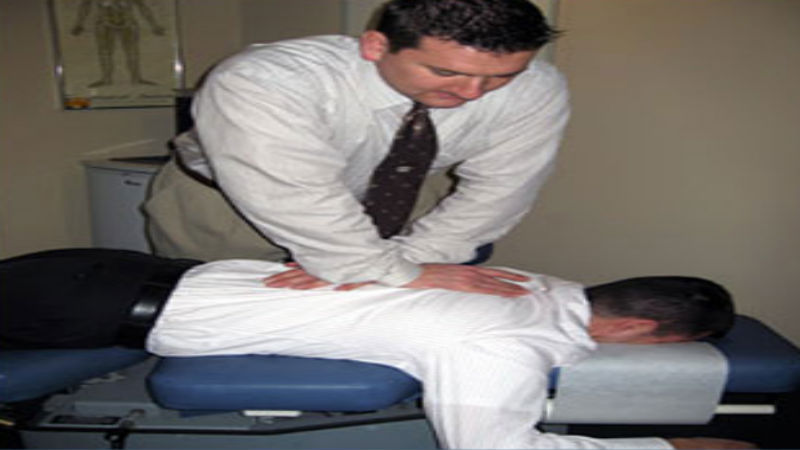
- Hands-on care to improve joint motion where stiffness is contributing
- Guidance on movement strategies for workstations and commuting
- A simple home routine to reinforce better mechanics between visits
The main advantage of a structured approach is that it focuses on function, how the area moves and handles daily load, rather than only chasing symptoms.
How to Compare “Best Chiropractor Near Me” Searches More Wisely
Searching “best chiropractor near me” can bring up a lot of options, but the most helpful comparisons aren’t about marketing claims. They’re about whether the clinic can explain a clear plan.
When you call or book, consider asking:
- Will the evaluation include upper back and shoulder mechanics (not just the neck)?
- How will progress be measured, range of motion, symptom frequency, daily function?
- What home steps are typically recommended alongside in-office care?
- How do they help people who sit at a desk or drive frequently?
- What is the plan if symptoms don’t change as expected?
A clear explanation is often more valuable than a long list of promises.
Practical Home Strategies That Often Help
While a clinician should guide care for persistent pain, many people find these general habits helpful for reducing neck overload:
- Take short movement breaks during desk work (even 60 seconds helps)
- Adjust screens so you aren’t constantly looking down
- Support the upper back with gentle mobility work (thoracic rotation/extension)
- Strengthen the upper back and shoulder stabilizers gradually
- Carry bags evenly and avoid long periods with weight on one shoulder
- Use stress management and breathing strategies if tension is a major driver
The goal is to reduce repetitive strain and help the upper back and shoulders share the workload again.
When to Seek Medical Evaluation Promptly
Seek prompt medical care if neck pain is accompanied by:
- Severe symptoms after a significant fall or accident
- Fever, unexplained weight loss, or feeling unwell
- New weakness, numbness, or coordination issues
- Symptoms that steadily worsen rather than stabilize
These signs don’t automatically indicate something serious, but they should be assessed sooner.
A Practical Next Step for Buckhead Residents
If neck pain keeps returning, look beyond the neck. Pay attention to upper back stiffness, shoulder posture, and the habits that increase symptoms at the end of your day. An evaluation that looks at how the upper back and shoulders influence the neck can make your plan more targeted and realistic.
For those exploring local resources and wanting a reference point for care planning, this overview of professional neck pain care can be helpful when comparing chiropractic care options in the Buckhead area.