Quick take:
- Naples yard waste rules differ from what landscaping contractors can leave at the curb, so property owners and crews need a disposal plan beyond city pickup.
- Local drop-off facilities accept branches, palm fronds, and yard trimmings for recycling into mulch and compost.
- Storm season and routine cleanups both require knowing what materials are accepted and where to take them.
Anyone clearing overgrown shrubs, fallen palm fronds, or post-storm branches in Naples needs a disposal plan that accounts for what curbside collection will and will not take. The City of Naples picks up horticultural waste from residential properties on a weekly schedule, but it draws a hard line when contractors are involved.
Property owners hiring a landscaping crew should understand this distinction before debris starts piling up. Landscape debris disposal in Naples, FL becomes the responsibility of the contractor in most cases, since municipal crews are not set up to haul away commercial-scale cleanup waste. Planning ahead for a drop-off option keeps a project moving instead of leaving trimmings stacked at the curb for weeks.
What Naples Curbside Collection Does and Does Not Cover
The City of Naples Solid Waste Division handles yard waste for residential customers under a defined set of rules.
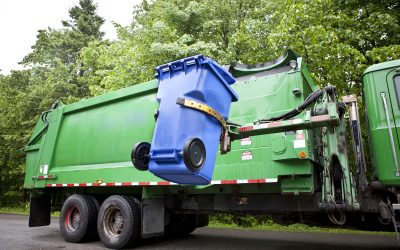
- Yard and horticultural waste is collected once a week, set out by 7:00 a.m. on the scheduled day.
- Material must be bagged in paper yard-waste bags or placed in open, lidless cans. No plastic bags are accepted.
- Debris generated by a landscaping or tree contractor is excluded. Contractors are expected to remove their own debris rather than leave it for city pickup.
This last point matters most for homeowners who hire outside crews. If a landscaper trims hedges, removes a tree, or clears storm damage, that debris generally cannot go in the city’s residential collection stream. The crew needs another destination, and that is where a dedicated drop-off facility comes in.
How Yard Waste Drop-Off Service Works
A straightforward drop-off process removes guesswork for both residents and landscaping companies managing larger volumes of material. Based on the documented process at a Naples-area recycling facility, the typical steps are:
- Enter the property and stop at the call station.
- Call the office from the station so staff can open the gate.
- Follow posted signs to the recycle center office.
- Stop at the office to have the load measured and pay the applicable fee.
- Dispose of material as directed by staff.
Accepted material typically includes bulk yard waste, already-shredded trimmings, and tree stumps, with pricing structured by cubic yard and stump size. This kind of facility processes the material rather than sending it to a landfill, converting usable organic waste into mulch, compost, or topsoil for resale.
Storm Season Adds Urgency to Debris Planning
Hurricane season creates a different kind of pressure on disposal capacity. During a major storm, county and city curbside systems face backlogs that stretch for weeks because every property needs cleanup at once. A nearby facility becomes more valuable during these windows since storm traffic and detours make longer hauls impractical for crews working multiple job sites in a single day.
Vegetative storm debris accepted during these periods generally includes downed branches, torn palm fronds, and uprooted brush, while structural debris like fencing falls outside what a yard waste facility can take. Landscaping companies that set up an account before storm season peaks tend to move through drop-off faster once demand spikes.
Comparing Disposal Options for Naples Properties
| Disposal Method | Who It Serves | Key Limitation |
| City curbside collection | Residential properties, self-managed yard waste | Does not accept contractor-generated debris |
| Facility drop-off | Homeowners, landscapers, construction crews | Requires transporting material to the site |
| Landscaper account setup | Companies with recurring cleanup volume | Best value when established before storm season |
Each option fits a different scale of cleanup. A homeowner trimming a few shrubs can usually rely on weekly curbside pickup, while a landscaping company clearing multiple properties after a storm needs a facility built for higher volume.
Frequently Asked Questions
Does the City of Naples collect debris left by a landscaping company? No. City-collected yard waste excludes material cut or generated by landscaping or tree contractors, who are expected to haul away their own debris.
What yard waste materials are typically accepted at a drop-off facility? Common accepted materials include bulk yard waste, already-shredded trimmings, and stumps of varying sizes, priced individually at most Naples-area facilities.
Why does storm season change disposal planning? Curbside systems get overwhelmed when every property needs cleanup simultaneously, so a nearby drop-off point with reduced wait times becomes a practical necessity for crews working against time and traffic delays.
Can residential yard waste and contractor debris use the same disposal path? Not usually. Homeowners can rely on scheduled city pickup for self-managed waste, but once a contractor is involved, that debris generally needs to go through a separate drop-off process.
Naples properties generate yard waste year-round, and that volume multiplies sharply during hurricane season. Understanding which disposal path applies, whether that is city curbside pickup or a dedicated drop-off facility, helps homeowners and landscaping crews avoid debris pileups and keep cleanup projects on schedule. For property owners working with a contractor, confirming the disposal plan before work begins remains the simplest way to prevent delays once the trimmings start piling up. Facilities such as Repurposed Material of Naples LLC operate in the area to support this kind of debris processing for residential and commercial cleanup needs.